
2026 Hawai‘i’s Housing Survey
How Hawai'i thinks about housing, and what they want to do about it

For the second year, Housing Hawai'i's Future partnered with Anthology Research to survey residents across all four counties about housing. 608 people told us what they think, what concerns them, and what they want to see happen.
Here's what Hawai'i's Residents said.

Housing remains one of Hawai'i's defining public concerns - for neighbor island residents, younger adults, renters, and working families - even as broader cost-of-living pressures intensify.
Housing Costs Hit Nearly Everyone
It's not one island. It's not one income bracket. It's not one generation. It's nearly all of us.
Whether you rent or own, live on O'ahu or a neighbor island, are 25 or 65 - the picture is the same.
AND IT’S GETTING WORSE


These numbers aren't holding steady. They're moving in the wrong direction.
The gap between what residents need and what they're seeing from their leaders is growing. This is no longer just an affordability issue. It's a retention issue for the state.
More Than 1 in 3 People Are Thinking About Leaving
of residents have seriously considered leaving Hawai'i in the past two years
37%
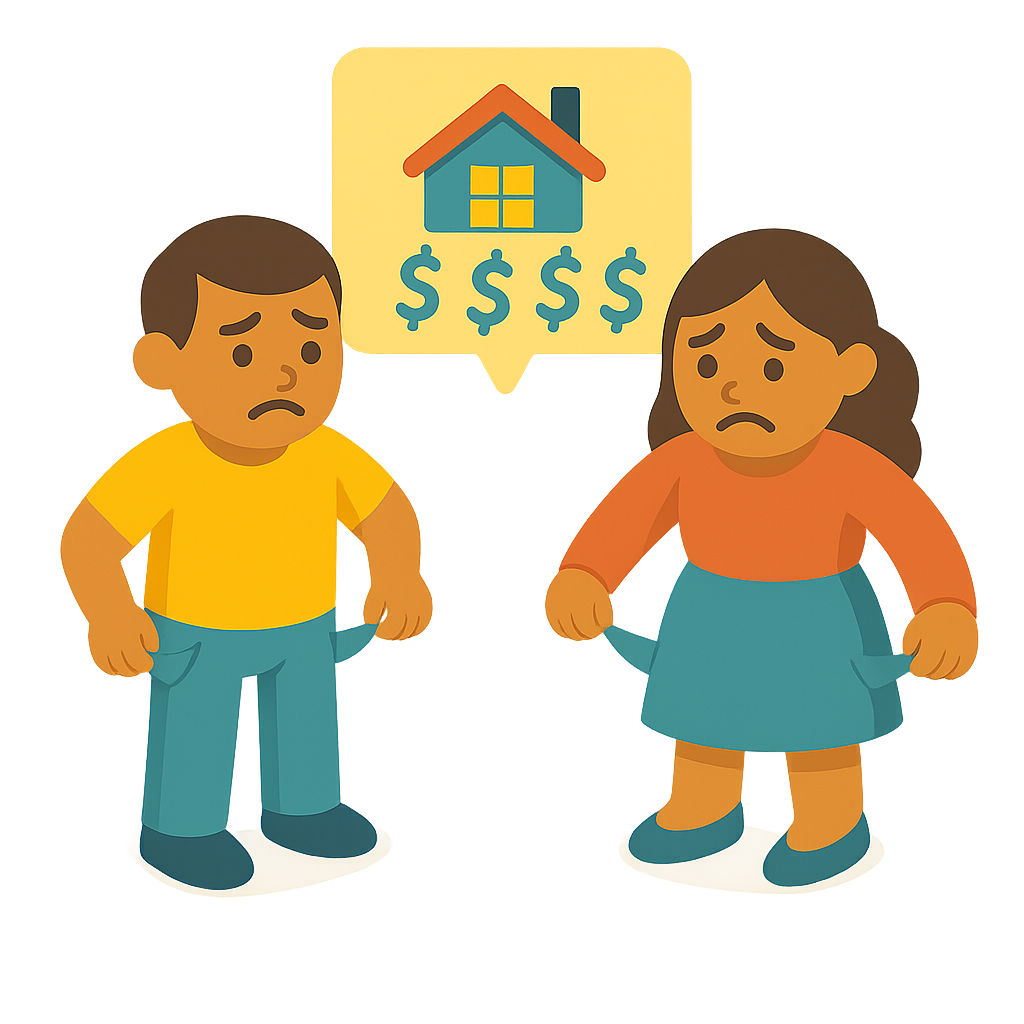
Of those thinking about leaving, 78% say the cost or availability of housing plays a moderate or significant role in that decision.
This is bigger than a housing problem. It's a question about who gets to build a life here and who gets priced out. Outmigration is tied directly to housing affordability. Improving access to attainable housing could help keep more residents in the state.
Residents Are Ready for Action
People aren't just frustrated. They're telling their leaders what they want.

The public isn't behind on this. They're ahead of the conversation, and they're giving decision makers the green light to move. Support is not only broad but intensifying, giving lawmakers a clear public mandate to put housing near the top of the policy agenda.
There's More Agreement on Solutions Than You Might Think
When asked about specific proposals, residents consistently say YES!

These aren't close calls. Residents are open to practical changes when those changes are tied to making housing work for the people who live here. The strongest public case is one that emphasizes faster production and broader housing choice, and prioritizes solutions that keep homes attainable for Hawai'i residents.
PRIORITIZING LOCALS

When it comes to workforce housing, residents are clear about what they'll accept and what they won't.
STRONG SUPPORT FOR RULES THAT PRIORITIZE LOCALS
LESS SUPPORT WHEN IT LIMITS FINANCIAL UPSIDE
Programs gain the most acceptance when they keep benefits focused on local residents and intended buyers. The clearest area of resistance is equity sharing - any restriction that limits homeowners' future financial return.
