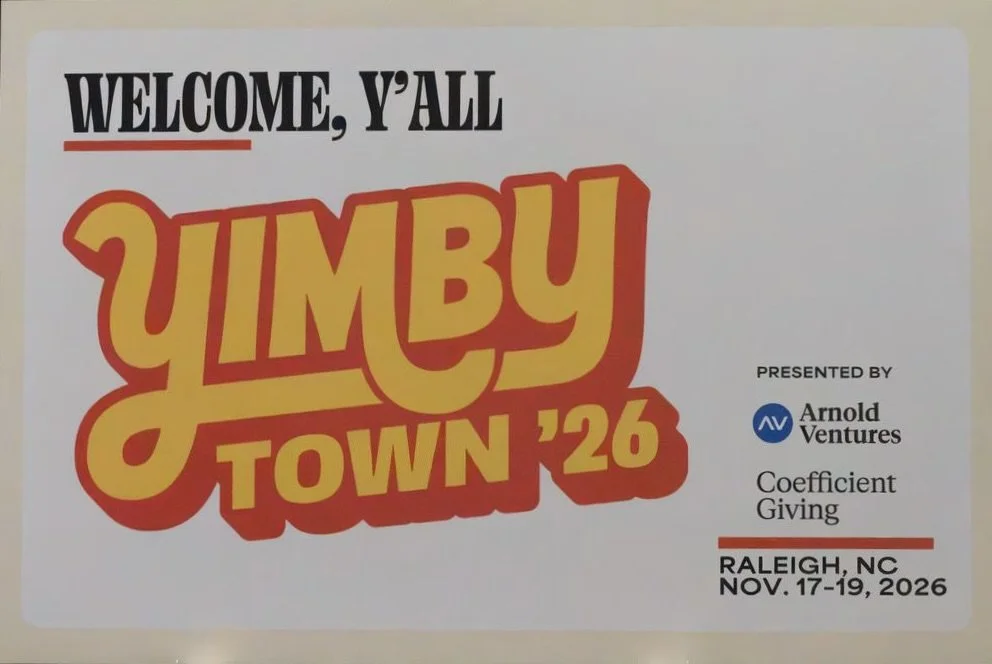
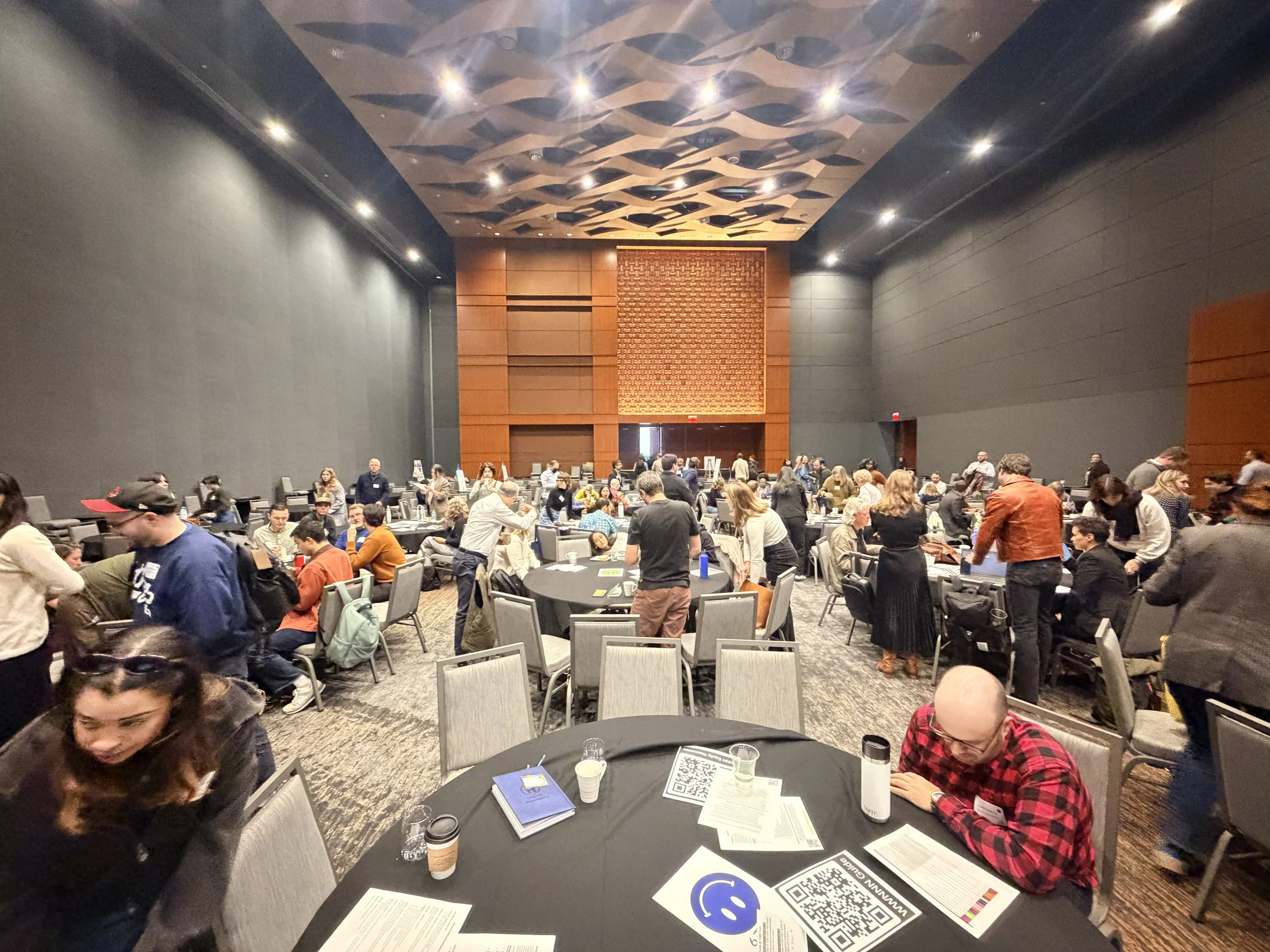
Last week, HHF was in Raleigh, North Carolina, for YIMBYtown, the biggest pro-housing conference in the country. Nearly 1,000 advocates, builders and city leaders from more than 500 organizations came, and it was the first time the conference has been held in the South.
The day before YIMBYtown, we joined other members of the Welcoming Neighbors Network, a group of pro-housing organizations from across the country, for a day of breakout sessions and conversations. Lee also led a lunchtime session on how pro-housing groups can use AI, from moving faster on policy work to saving time on everyday tasks.
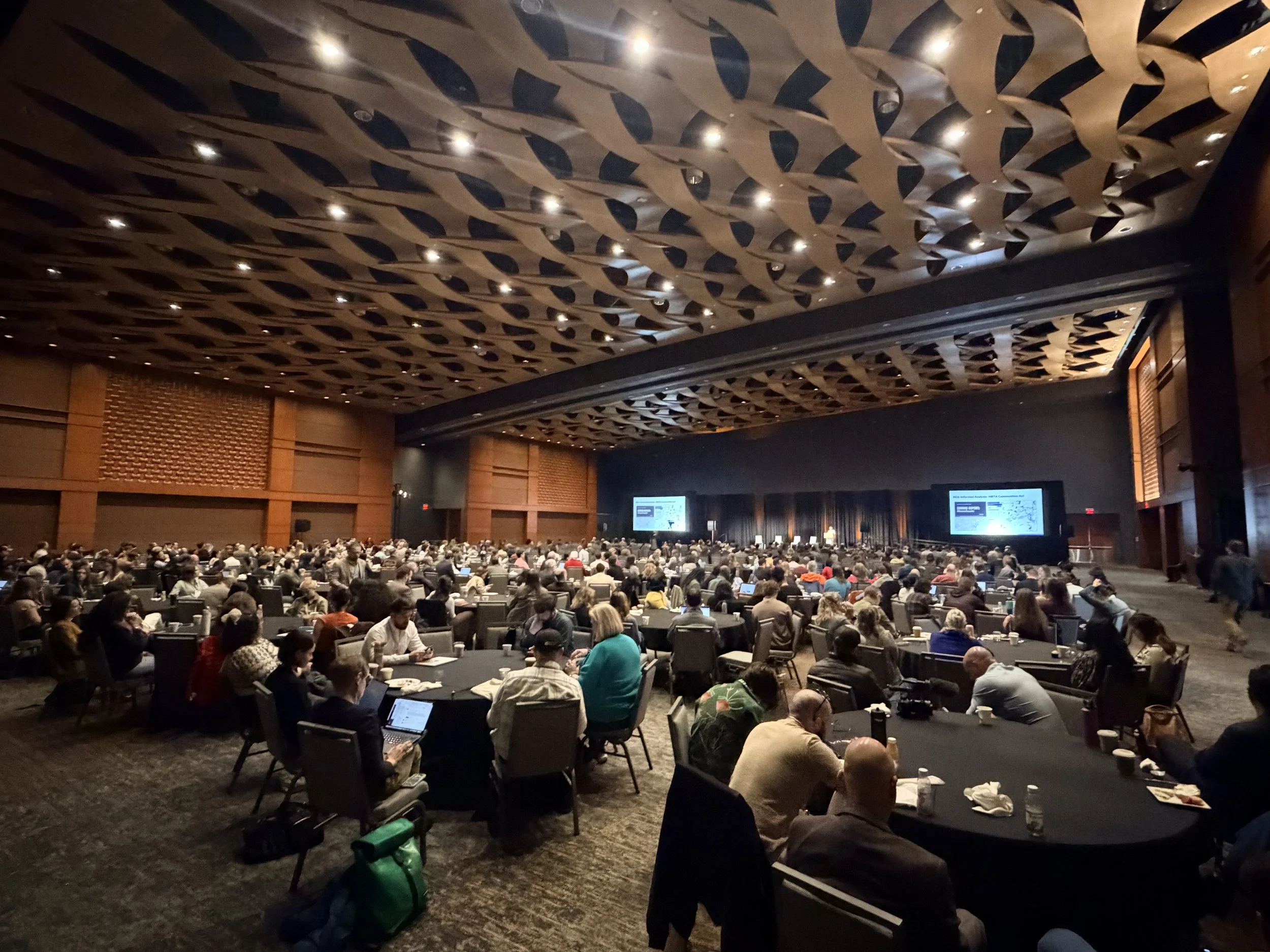
So why go all the way to North Carolina to talk about housing in Hawaiʻi? Because this isn't just a Hawaiʻi problem. Chances are, someone you know has already left Hawaiʻi for one of the places we heard from last week. Cities and states across the country are working on the same problem, and we can learn a lot from each other.
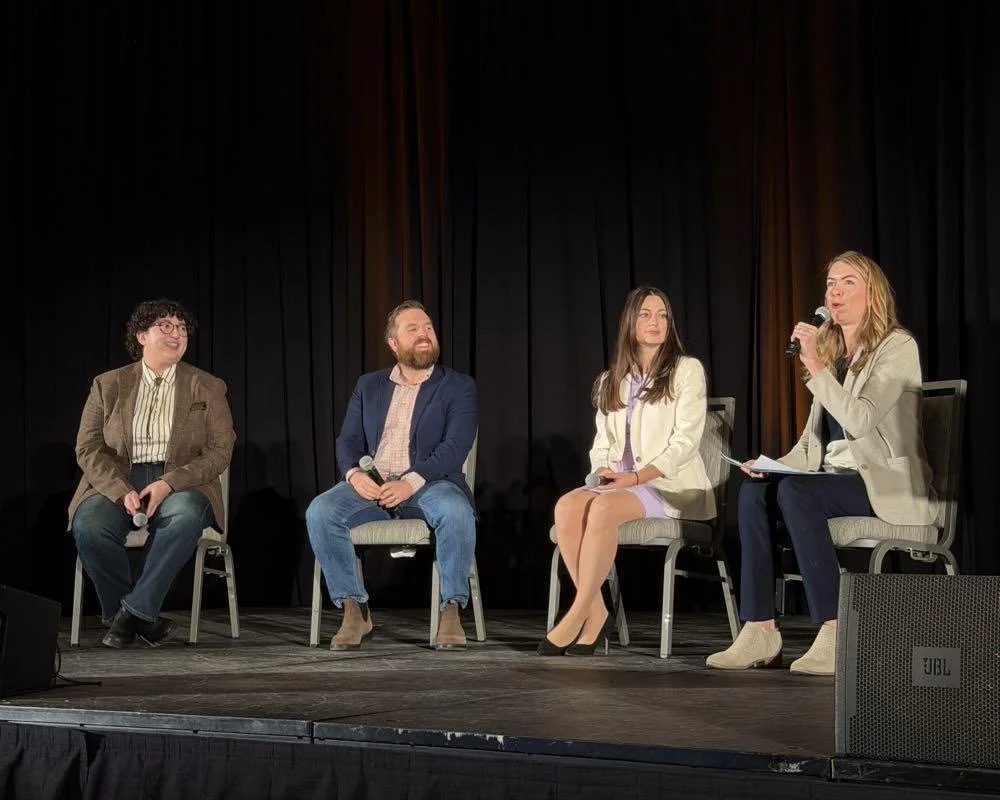
State lawmakers from Idaho, Montana, New Hampshire and Maine.
What we heard
Talking with people from other states opened our eyes to what's possible, especially when it comes to getting young people involved. Hawaiʻi has struggled with low voter turnout for years. Hearing how engaged young people are in other states was a little humbling, but it was also motivating. A few of the breakout sessions were about exactly that: finding the young people who care and giving them an easy way in. Some groups offer professional development and training, and match young people’s interests with real opportunities to get involved, so showing up helps their careers too.
We also heard from a keynote panel on the ROAD to Housing Act, the federal housing law passed in July with support from both parties, and how advocates helped get it through Congress. We've been breaking down what it means for Hawaiʻi.
Another session that stood out was about "Golden Girls" laws, named after the TV show, which let unrelated people share a home. What surprised us was how seriously some places enforce limits on who can live together. One speaker described someone sitting outside a house watching who came and went, even counting shoes and looking in windows to check whether the people inside were related. Most of us had roommates in college, and it shouldn't become a problem once you're a young professional.
What we saw in Raleigh
During the keynotes, Mayor Janet Cowell and Councilmember Megan Patton talked about how the city is keeping up with growth. Wake County, where Raleigh sits, adds more than 50 people a day.
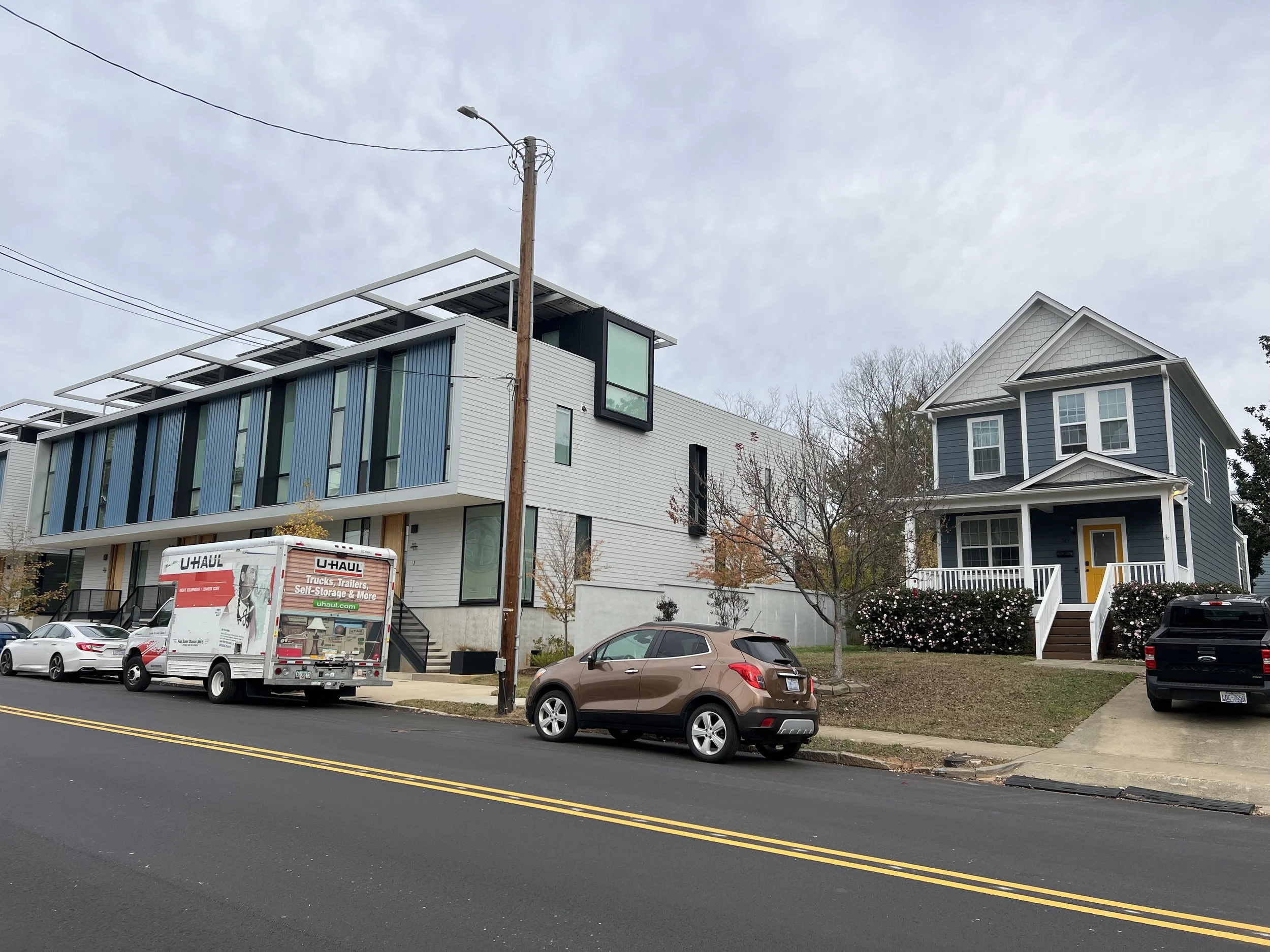
We got to Raleigh two days early, and on walks to lunch and dinner we saw it for ourselves: construction everywhere. Multi-unit homes sat on the same streets as single-family homes. The mix gave those neighborhoods a different vibe, but not in a bad way.
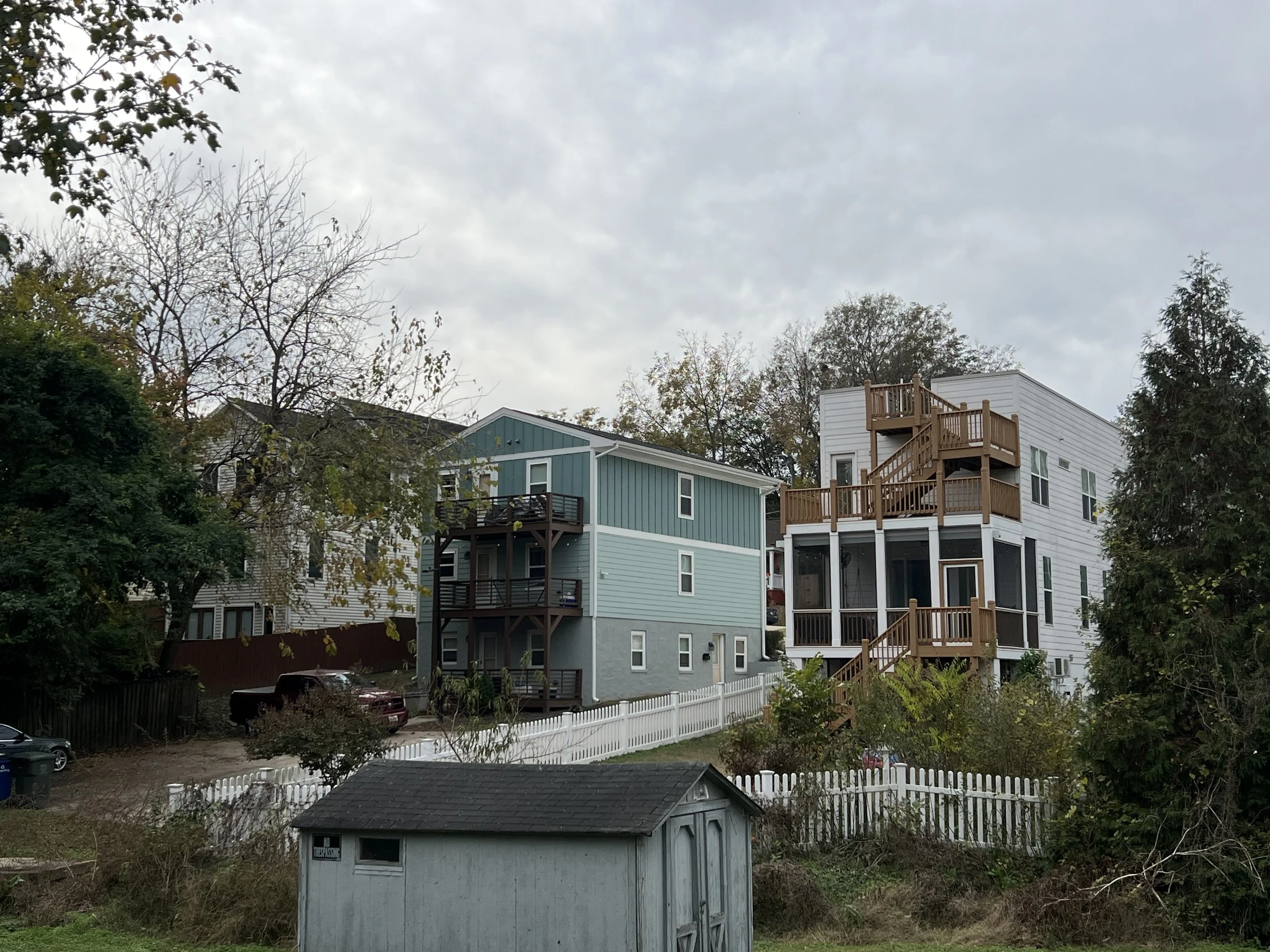
In 2021 and 2022, Raleigh changed its rules to allow those kinds of homes in more places, and it stopped requiring a set number of parking spaces for new buildings. More homes got built. In July, North Carolina also passed a law ending most parking minimums statewide, starting in January.
What this means for Hawaiʻi
Hawaiʻi is different. Land is limited, building is expensive, and a lot of housing decisions happen at the county level. But much of what we heard sounded familiar. Parking is already part of the conversation here, and Raleigh gives us real numbers to look at. We also came home with new ideas for getting more young people involved.
Hawaiʻi will find its own way. But seeing Raleigh in person left us motivated to keep working so fewer people we know have to leave.
